How to Safely Clean Downpipes and Gutters Before Wet Season
Blocked gutters and downpipes can send stormwater into roof spaces, behind fascia boards and towards foundations. Across South-East Queensland, summer thunderstorms and intense rainfall make preventative maintenance especially important. Cleaning before the wetter months helps your drainage system handle heavy rain, while giving you time to arrange repairs.
The safest approach is to inspect from ground level and use a qualified, insured professional whenever access involves a fall risk. Clearing a blockage is never worth risking a serious injury.
When to Clean Gutters in South-East Queensland
Plan an inspection and clean during spring, before the main summer storm period. Rain can be heavy at other times too, so check gutters after significant storms and periods of leaf fall. Properties beneath gum trees, palms or other overhanging vegetation often need more frequent attention.
Look for overflowing gutters, plants growing along the roofline, staining beneath eaves and water pooling near downpipe outlets. These signs can indicate debris, blocked drainage, leaks or incorrect gutter fall.

Check Access and Conditions Before Starting
Choose a dry, calm day and check the Bureau of Meteorology forecast and warnings. Do not start if thunderstorms, strong winds or rain are approaching. Wet ladders, slippery surfaces and nearby electrical equipment increase the danger.
- Inspect from the ground: Use binoculars or a pole-mounted camera to identify debris, loose brackets and damaged sections.
- Choose safer equipment: A purpose-designed gutter vacuum or cleaning tool operated from ground level can reduce the need for ladder access. Follow its instructions and maintain clearance from overhead powerlines.
- Wear protection: Use sturdy enclosed footwear, eye protection and durable gloves when handling debris or sharp gutter edges.
- Recognise your limits: Leave double-storey work, awkward access, steep sites and work near powerlines to appropriately equipped professionals.
If a ladder is necessary for a low-level task, use a suitable ladder on firm, level ground and follow the manufacturer’s instructions. Maintain three points of contact, avoid overreaching and never rest a ladder against a weak gutter. Do not climb onto the roof to clean gutters. Older properties may also contain asbestos roofing, which must not be walked on or disturbed.
How to Clear Gutters and Check Downpipes
- Prepare the area. Keep people and pets away from the work zone. If gutters feed a rainwater tank, follow the system manufacturer’s instructions to divert dirty cleaning water away from storage.
- Remove loose debris first. Collect leaves, twigs and sediment with a suitable scoop or vacuum. Bag the material rather than pushing it into downpipe openings or washing it into street drains.
- Inspect accessible components. Check for rust, leaking joints, sagging sections and loose brackets. Arrange repairs where damage could prevent reliable drainage.
- Check downpipe entrances. Remove visible debris only where it is safely accessible. Do not reach blindly into concealed spaces or force rigid tools down the pipe.
- Test with a gentle flow. Once loose material is removed, use a small amount of hose water to check drainage. Stop if water backs up, leaks or overflows. Avoid pressure washers, which can damage components or force water into the building.
- Restore and recheck. Reconnect any rainwater collection components according to their instructions, clean accessible inlet screens and check performance from ground level during the next rainfall.
What If a Downpipe Still Does Not Drain?
A persistent blockage may be inside the downpipe, at a bend or in an underground stormwater pipe. Adding more water can worsen overflow without clearing the obstruction. Avoid chemical drain cleaners and improvised high-pressure attachments.
Contact a licensed plumber or suitably qualified drainage professional to investigate. Depending on the problem, they may use a drain camera or appropriate clearing equipment. Underground drainage faults need a different approach from routine gutter cleaning.
Reduce Blockages Before the Next Storm
Keep accessible rainwater tank screens and first-flush devices maintained according to their instructions. Arrange safe pruning of overhanging branches where appropriate, checking local council requirements before significant tree work.
Gutter guards can reduce some debris but are not maintenance-free. Fine sediment, seeds and leaf material can still accumulate, so guarded gutters also need regular inspection.
Know When to Book Professional Gutter Cleaning
Book professional help if you cannot reach the gutters safely, blockages keep returning or water enters the building. https://edgaroouo443.cavandoragh.org/best-gutter-profiles-to-handle-heavy-tropical-downpours Ask whether the service includes downpipe flow checks, debris removal and photos of defects, and confirm appropriate insurance and safe-access arrangements.
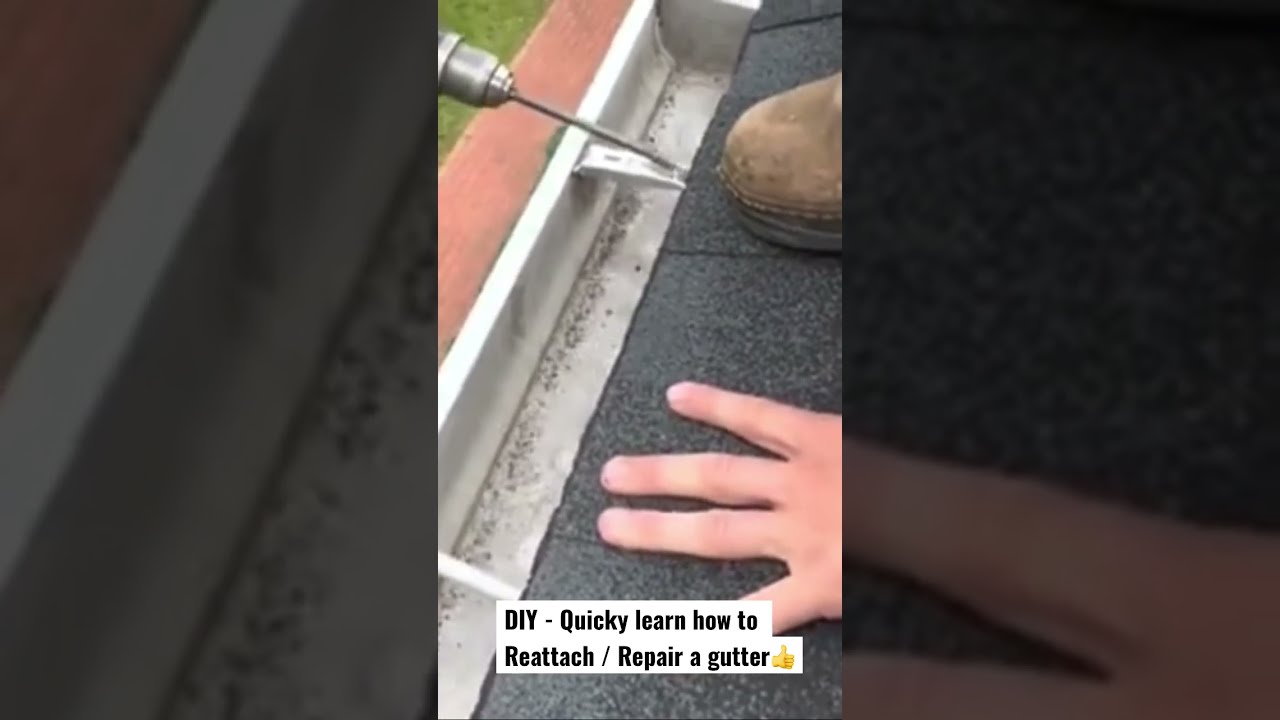

A pre-storm clean and timely repairs help protect South-East Queensland homes from avoidable water damage. Act before heavy rain arrives, rather than attempting urgent maintenance during dangerous weather.
SEQ Roof Restoration Experts
Unit 6/25 Lerna St, Woolloongabba QLD 4102
(07) 3132 3236